

A well-designed home brings everyday functions into a clear spatial structure. An interior designer considers the home as a complete system—from layout and circulation to materials, light, furniture and detail.
What an Interior Designer Does
The quality of individual materials and pieces of furniture is only part of an interior. Their relationship matters equally: scale, proportion, continuity of line, light and movement through the space. An interior designer organises these elements into a clear composition. Contrast and unexpected combinations have a place when they support the overall idea rather than seek attention for their own sake.
The Value of Professional Input
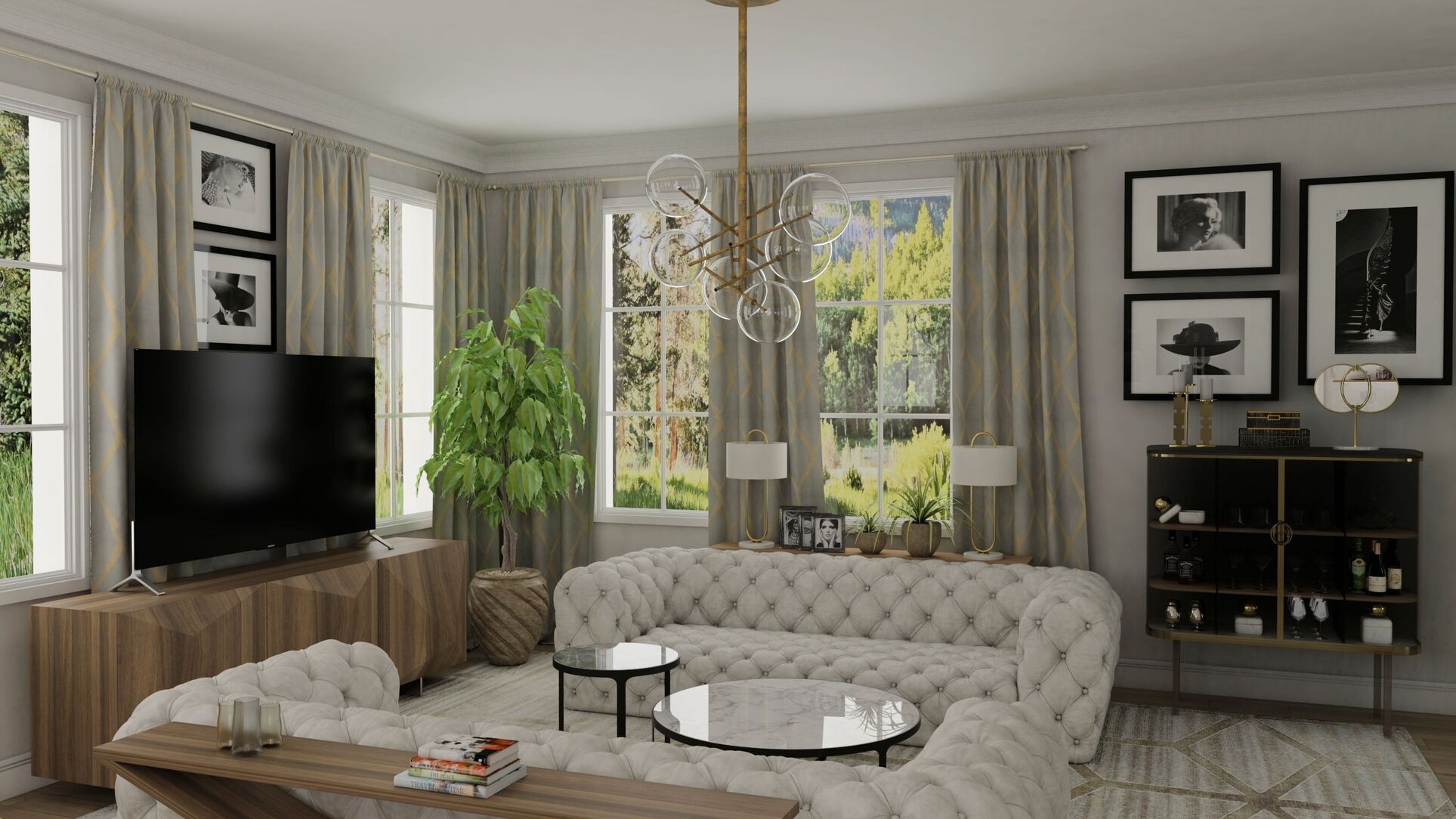
Working with an interior designer is a professional service whose scope and fee can vary. Its value is best assessed through the quality of completed work, the clarity of the process, and the designer’s ability to make consistent decisions for a particular space and budget.
An interior remains part of daily life long after the project is complete. Lasting spatial logic, comfort and decisions suited to how the home is used matter more than immediate impact. The right designer establishes clear priorities and translates the client’s preferences into a coherent project.
A home intended for sale or rent presents a different brief from a private residence. It needs a functional foundation and a coherent character without being tied to highly specific personal preferences. An interior designer can help establish that balance.
Whatever the home’s purpose, the budget needs a clear hierarchy. A designer’s experience helps distinguish decisions with long-term importance from those that can be simplified or deferred. Resources can then follow the project’s priorities rather than a series of disconnected purchases.
Designing Independently or with a Professional
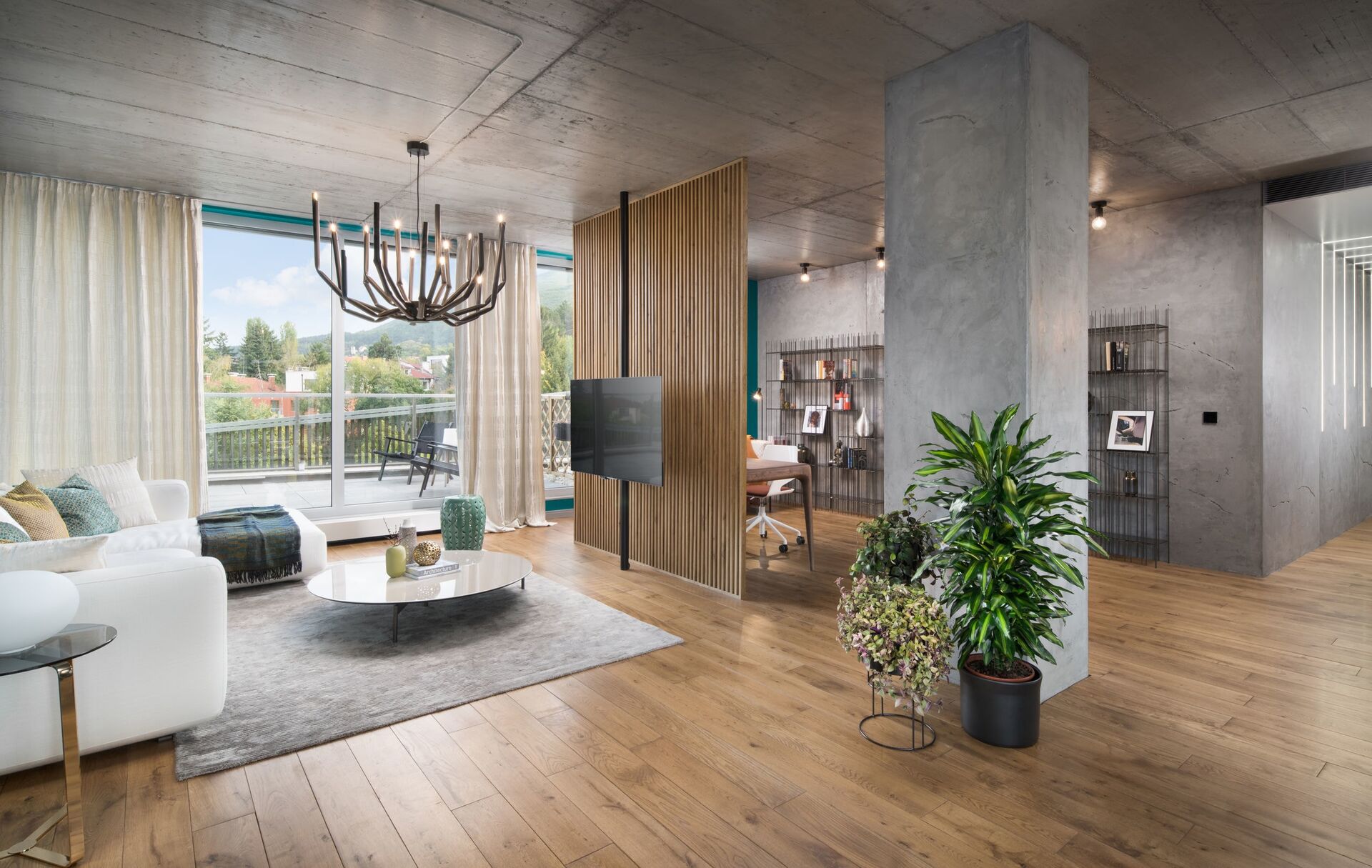
Designing a home independently is a valid choice, particularly when the scope is limited and the decisions are straightforward. Professional input becomes more valuable with complex layouts, many interdependent elements, or the need for continuity between rooms. The choice depends on the project’s scale, the time available, and confidence in making technical and aesthetic decisions.
The cost of individual pieces does not determine the quality of an interior. Their scale, placement, and relationship to the architecture, light and surrounding elements matter more. A designer works with these connections and the available market options to develop a consistent solution within the agreed budget.
The Interior Project and Its Budget
An interior project can respond to different budgets when the constraints are defined from the outset. Knowledge of the market and current price levels allows resources to be allocated with purpose. A larger share may be appropriate for an element with a key function or long service life, while another decision can be simplified. What matters is a transparent relationship between priority, quality and cost.
The Tools of Interior Design
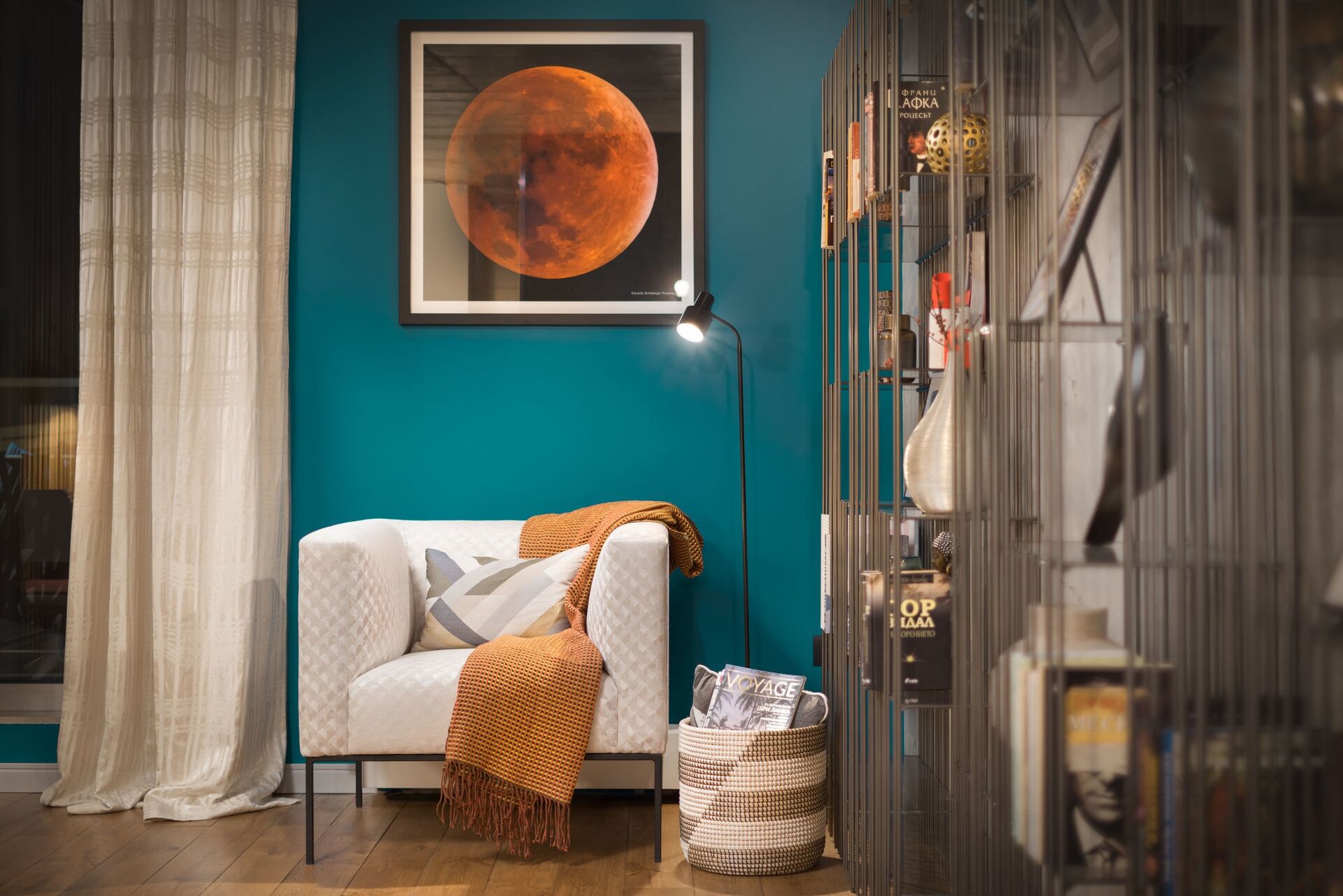
A solution that appears effortless is supported by theoretical training, practical work and a sequence of judgements. Interior designers use principles such as proportion, rhythm, scale, contrast and hierarchy, applying them to the specific architecture. Professional practice combines technical knowledge, close observation and a developed visual culture.
Instinct matters, but it does not replace training and experience. Each completed project expands an understanding of materials, details, constraints and how space performs in use. Over time, this accumulated practice leads to more precise and better-founded decisions.
Colour, form, texture and line are considered alongside proportion and natural light. Through them, a designer can create a more rigorous or softer composition without losing functional clarity. The choices respond to the architecture and to the way the people who live there use the space.
When choosing an interior designer, consider completed projects, professional experience and the way they communicate. Compare proposals not only by their final fee, but also by scope, stages and responsibilities. The right professional offers clear direction, explains their decisions and works in dialogue with the client.